Egypt is a popular holiday destination for UK travellers, and it’s easy to see why. From the Pyramids of Giza and ancient temples to Nile cruises and the beaches of the Red Sea, there’s plenty to explore.
Before you start planning your excursions and packing your suitcase, it’s worth thinking about your travel health too. Some vaccinations may be recommended for Egypt, depending on your individual circumstances and itinerary. There are also simple precautions you can take to reduce your risk of common travel illnesses.
Here’s what UK travellers should know before heading to Egypt, in the northeastern corner of Africa.
What is the climate like in Egypt?
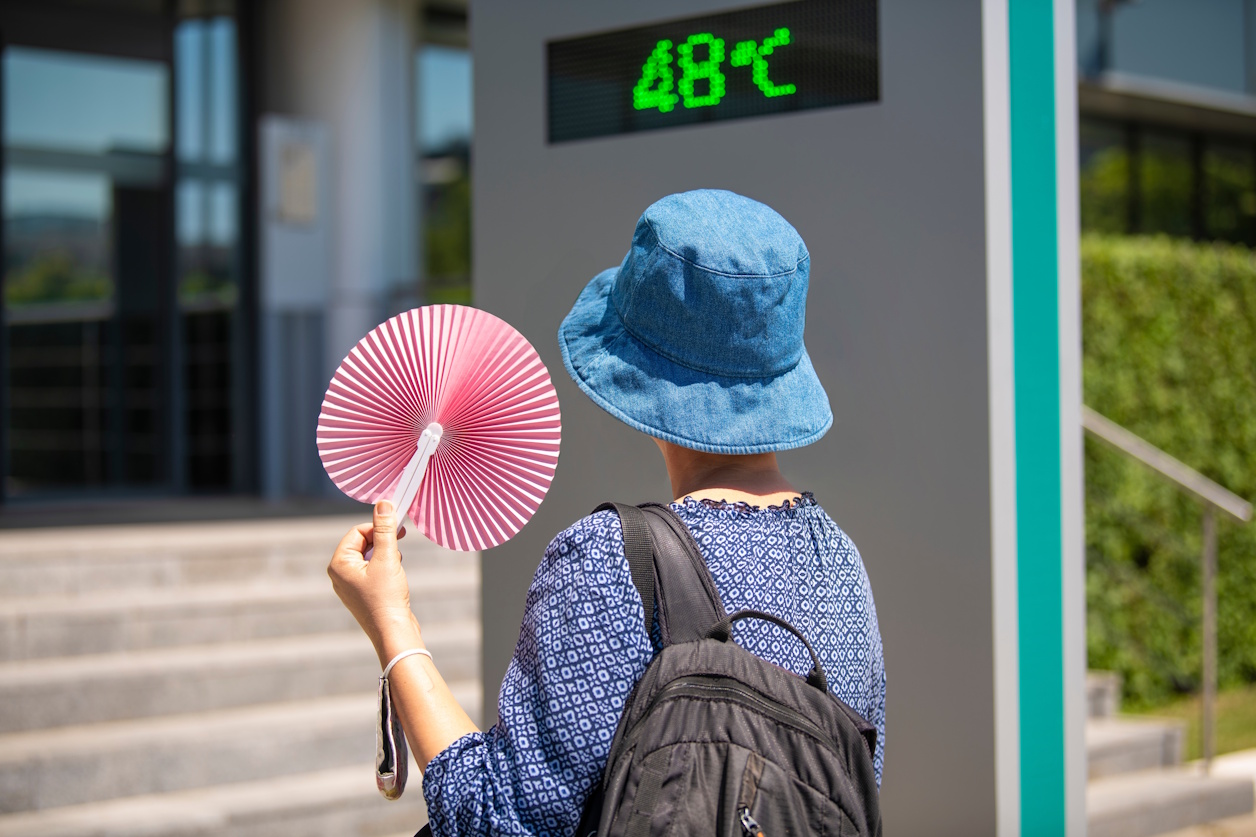
Egypt is generally hot and dry, although temperatures vary depending on where and when you travel. Summers can be extremely hot, particularly inland, while the winter months are generally milder.
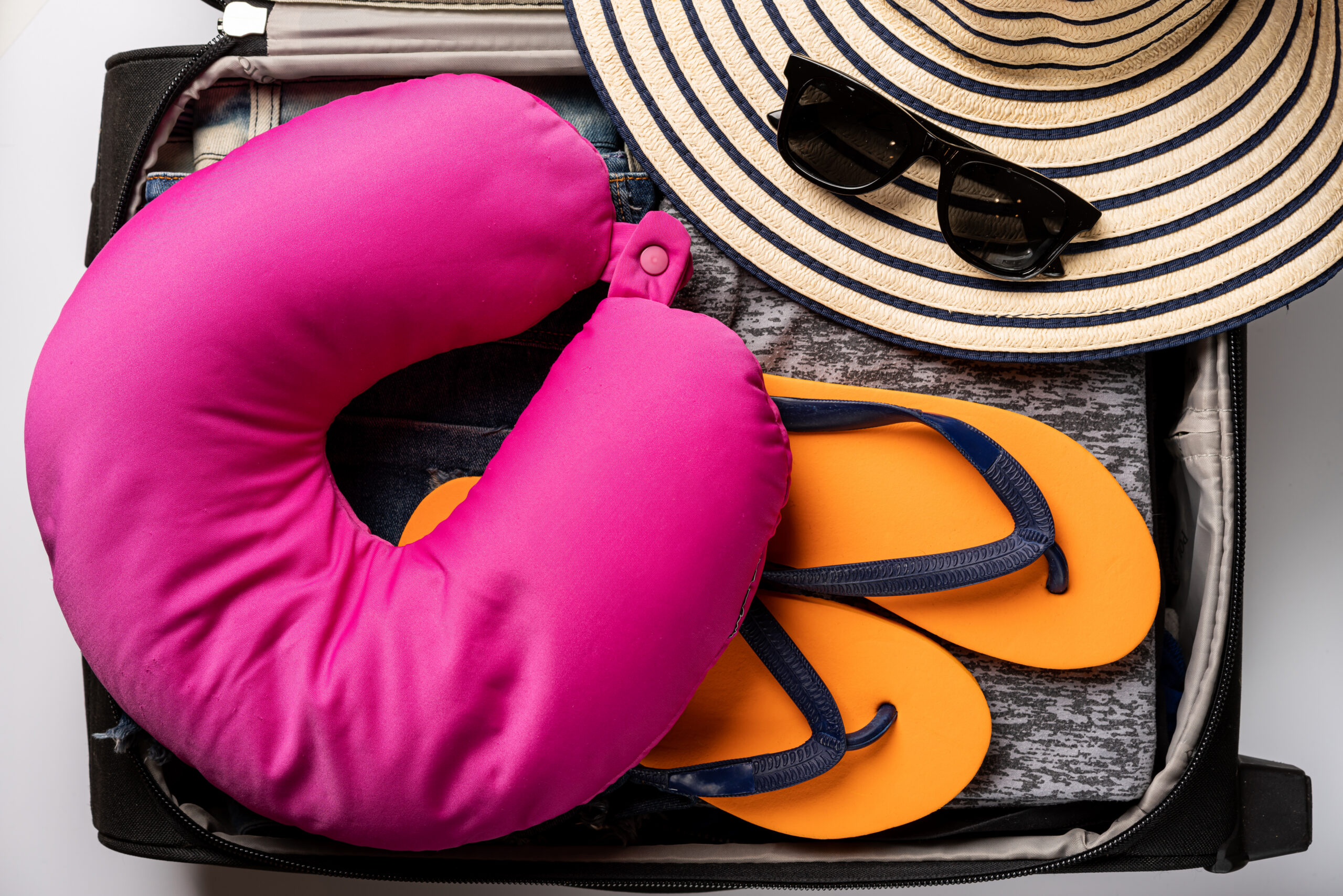
If you’re planning to spend your days sightseeing, don’t underestimate the heat. Drink plenty of water, take regular breaks and make use of shaded areas. A hat, sunglasses, loose-fitting clothing and high-factor sunscreen are all worth packing.
Do I need vaccinations for Egypt?
There isn’t a standard set of vaccinations that every traveller to Egypt needs. Recommendations depend on factors including your previous vaccinations, health, length of stay, destination and planned activities.
Be sure to arrange a travel health appointment around four to six weeks before you go. If you’re travelling sooner, don’t panic. It’s still worth seeking advice, as there may be time to arrange recommended vaccinations or other precautions. Speak to our expert team to discuss the most appropriate travel vaccination plan for your type of trip.
Routine travel vaccinations for Egypt
Make sure your routine UK vaccinations are up to date before travelling. This includes checking your protection against illnesses such as diphtheria, tetanus, polio and measles, mumps and rubella (MMR).
Hepatitis A
Hepatitis A vaccination is recommended for previously unvaccinated travellers visiting Egypt. The virus can be spread through contaminated food and water, so vaccination provides useful additional protection alongside good food and water hygiene.
Book your Hepatitis A vaccination in South East London.
Typhoid
Typhoid can also be spread through contaminated food and water. Vaccination may be recommended depending on your travel plans, particularly if you’re staying for longer, travelling away from tourist areas or visiting friends and relatives. Even if you’re vaccinated, it’s still important to take care with what you eat and drink, as the vaccine doesn’t protect against every cause of stomach illness.
Book your Typhoid vaccination in South East London
Hepatitis B
Hepatitis B is spread through infected blood and bodily fluids. Vaccination may be recommended depending on your circumstances, particularly for longer stays, those who may need medical treatment abroad or travellers taking part in activities where there could be exposure to blood.
Book your Hepatitis B vaccination in South East London
Rabies
Rabies is present in Egypt, so avoid approaching or handling animals, including stray dogs and cats. Rabies vaccination may be recommended for some travellers, particularly those planning longer stays, visiting remote areas or likely to have close contact with animals. If you’re bitten or scratched, seek medical attention promptly, regardless of whether you’ve been vaccinated.
Book your Rabies Vaccination in South East London
Yellow fever
There is no risk of yellow fever transmission in Egypt, so vaccination isn’t routinely recommended for travellers arriving from the UK. However, Egypt has entry requirements relating to yellow fever vaccination certificates for travellers arriving from countries where yellow fever occurs. If Egypt is part of a wider trip, speak to our expert team about your full itinerary.
Book your Yellow fever vaccination in South East London
Is there malaria in Egypt?
Egypt was certified malaria-free by the World Health Organization in 2024, and current UK travel health guidance states that there is no malaria risk in Egypt. Mosquitoes can still transmit other infections, including dengue, so insect bite prevention is important. Use a suitable insect repellent, cover exposed skin where practical and consider air-conditioned or screened accommodation. Mosquitoes that transmit dengue can bite during the daytime too.
Staying safe with food and water
An upset stomach can quickly put a dampener on your holiday, so take sensible precautions with food and drink. Choose bottled water where appropriate and check the seal is intact. If you’re unsure about the water used, it’s also sensible to avoid ice. Freshly cooked food served hot is generally a safer option, while care should be taken with salads and raw vegetables if you’re unsure how they’ve been prepared. Good hand hygiene can also help. Keep hand sanitiser in your day bag for when soap and water aren’t available.
Don’t underestimate the heat
For many UK travellers, Egypt’s heat can take some getting used to. If you’re spending hours exploring the Pyramids, temples or busy cities, it’s easy to become dehydrated without realising it. Drink regularly throughout the day, take breaks somewhere cool or shaded and avoid spending too long in the strongest sun. Lightweight clothing, a hat, sunglasses and high-factor sunscreen can all help.
What should I pack in my Egypt travel health kit?
You don’t need to fill your suitcase with medical supplies, but a small travel health kit can be useful for dealing with minor problems while you’re away.
Consider packing:
- Any regular prescription medication, plus enough for your trip and some extra in case of delays
- A copy of your prescription or medication details
- Sunscreen and SPF lip balm
- Insect repellent
- Hand sanitiser
- Plasters and blister plasters
- Pain relief such as paracetamol, if you normally use it
- Oral rehydration sachets
- Any other over-the-counter medication you regularly use
- A hat and sunglasses for sun protection
- Keep essential medication in your hand luggage rather than your checked suitcase. If you take prescription medication, check before travelling whether there are any specific requirements for bringing it into Egypt.
Where can I get travel vaccinations for Egypt?
There isn’t a one-size-fits-all vaccination list for Egypt, so personalised travel health advice is the best way to find out what you need. Book your consultation online at Travel Clinic Bromley and discuss your specific travel and health requirements with a member of our expert team.