A weekend city break, a luxury all-inclusive, and a two-week trek can all be brilliant… but they don’t carry the same health risks. That’s why good travel prep isn’t just “Which vaccinations do I need?” It’s matching your health plan to your holiday style, your itinerary, and who’s travelling.
If you’re searching for “travel vaccinations Bromley”, this is the kind of practical, personalised approach a proper travel health appointment should cover.
Book a travel consultation (before the panic sets in)
The most common reason people miss out on important protection is leaving it too late. As a general rule, aim to sort travel health around 6 weeks before you fly, so there’s enough time for vaccine courses, boosters, and malaria planning.
Step 1: Identify your holiday type (it changes everything)
Most trips fit one of these categories (or a mix):
- Relaxation holidays (beach, resort, cruise, honeymoon)
- Culture & city trips (sightseeing, festivals, foodie breaks, visiting friends & relatives)
- Adventure travel (backpacking, safaris, trekking, jungle, remote travel)
- Family travel (kids, multi-generational trips)
- Long stays / multi-country routes (work travel, gap years, extended travel)
Once you know your type, you can prioritise what matters most.
Step 2: Get the basics right (for every traveller)
These are the foundations that prevent the most common travel problems:
1. Check your routine boosters
Even if your destination feels “low risk”, being up to date with tetanus/diphtheria/polio is a common travel health gap.
2. Plan your “tummy strategy”
Traveller’s diarrhoea can ruin any trip, not just backpacking. Pack:
- Oral rehydration salts (ORS)
- Hand sanitiser
- A simple “when to seek help” plan (fever, blood in stool, dehydration, persistent symptoms)
3. Make bite prevention non-negotiable in warm climates
Not all bite-related illnesses have vaccines, so prevention matters:
- Repellent (use it properly and reapply)
- Cover up at dusk
- Screens/air-con where possible
- Nets/plug-ins if needed
Step 3: Prepare based on your holiday style
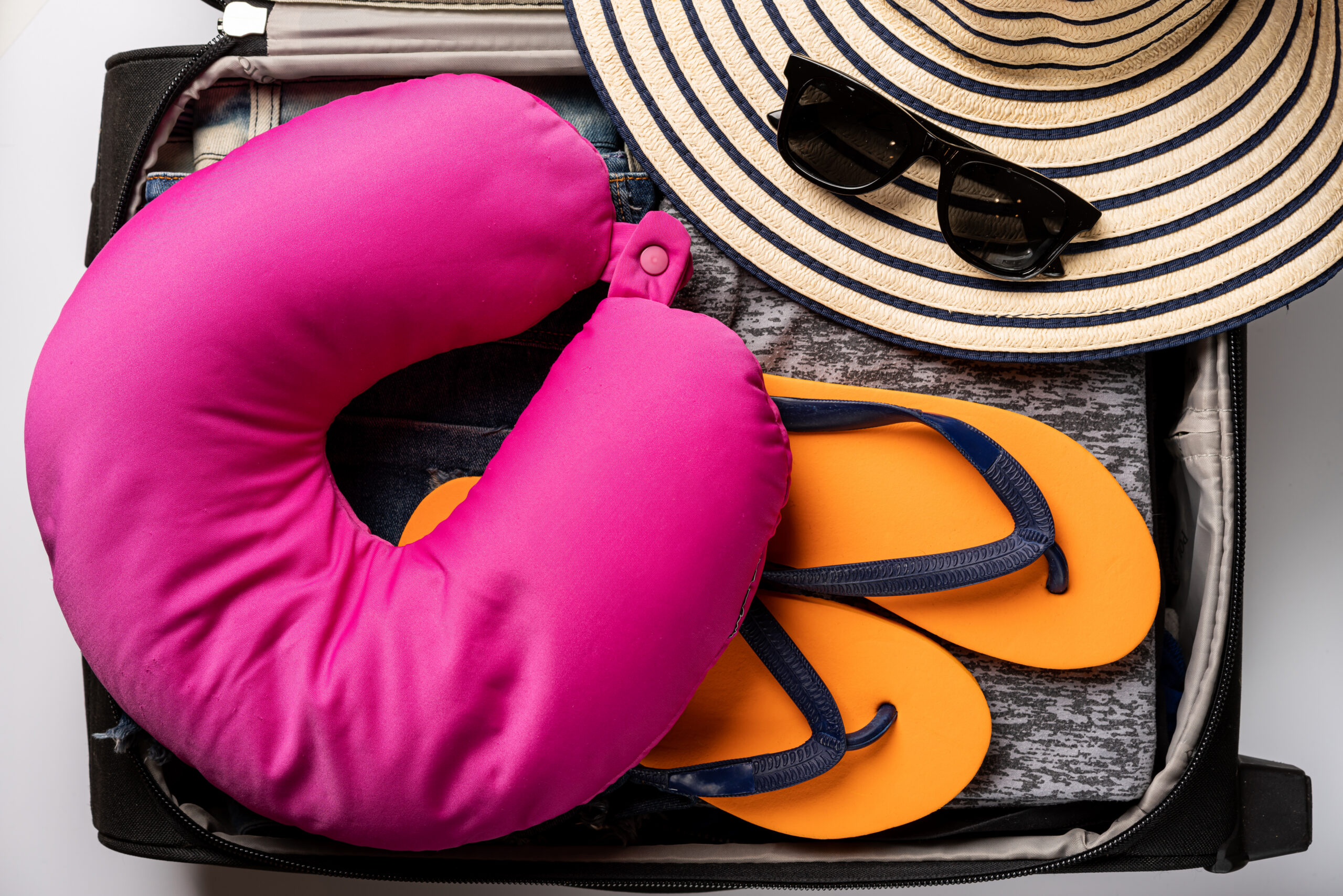
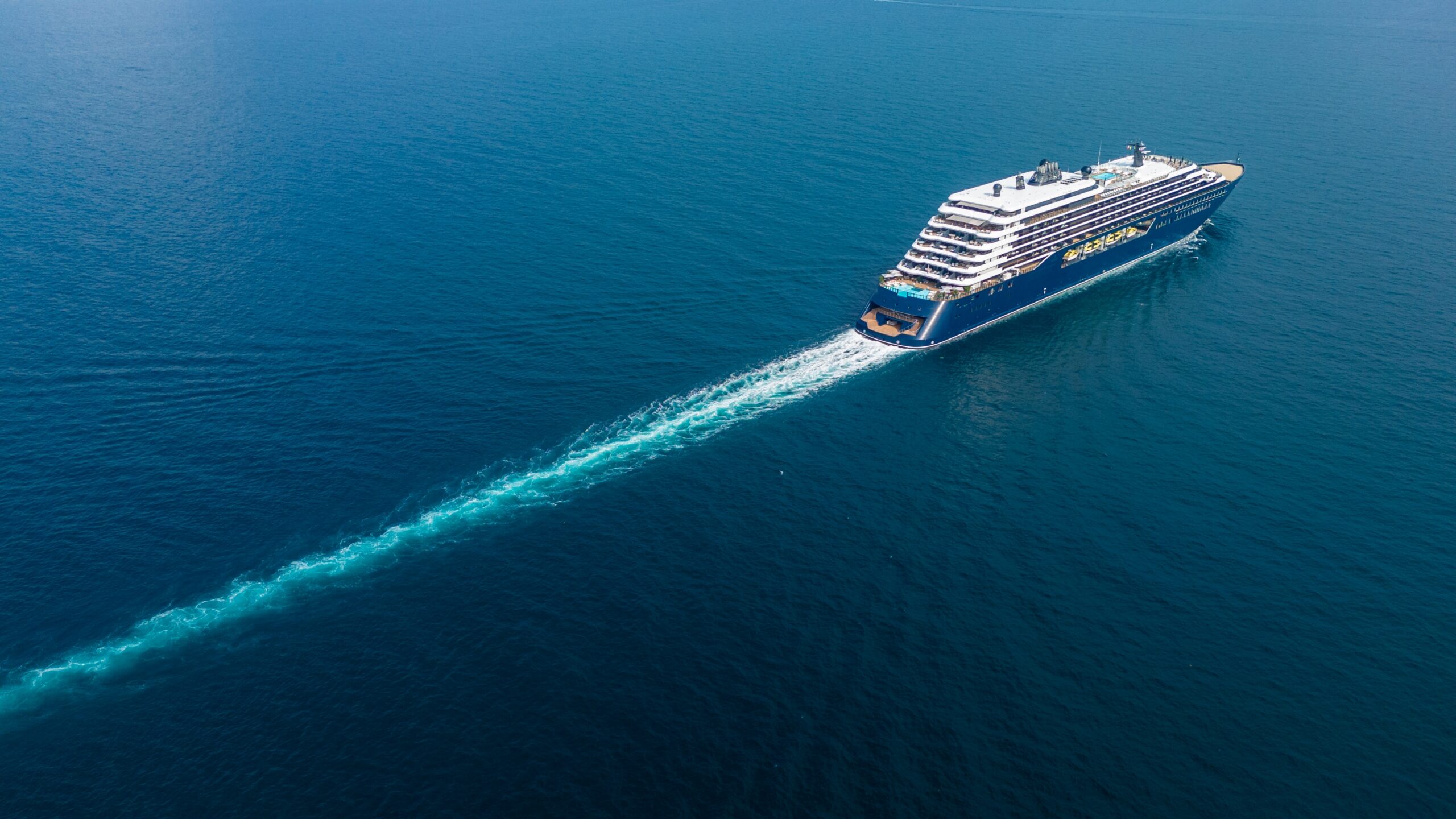
1. Relaxation holidays: beach breaks, resorts, cruises, all-inclusive
These feel easy until sun, heat, buffets and late nights catch up.
Biggest health risks:
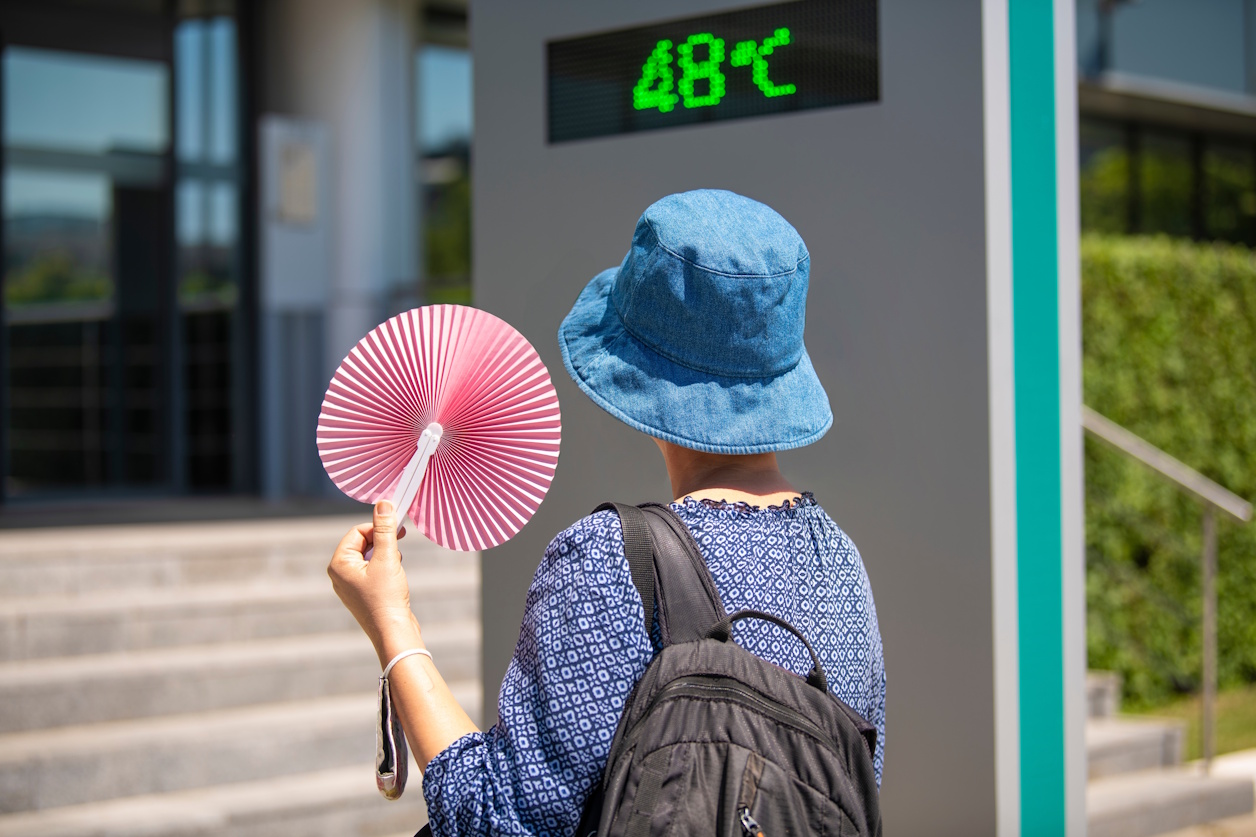
- Sunburn and heat exhaustion
- Dehydration (especially with alcohol)
- Buffet-related stomach bugs
- Mosquito bites at dusk
- Long-haul flight issues (stiffness, swelling, DVT risk)
Simple prep that works:
- Hydrate steadily (not just when you feel thirsty)
- Reapply high-SPF sunscreen properly
- Use repellent in the evenings (even at “nice hotels”)
- Move regularly on flights (stand, stretch, keep fluids up)
Vaccines to discuss (destination dependent):
Even for resort travel, many travellers still need to consider Hepatitis A and sometimes Typhoid, depending on the destination and what/where you’ll be eating and drinking.
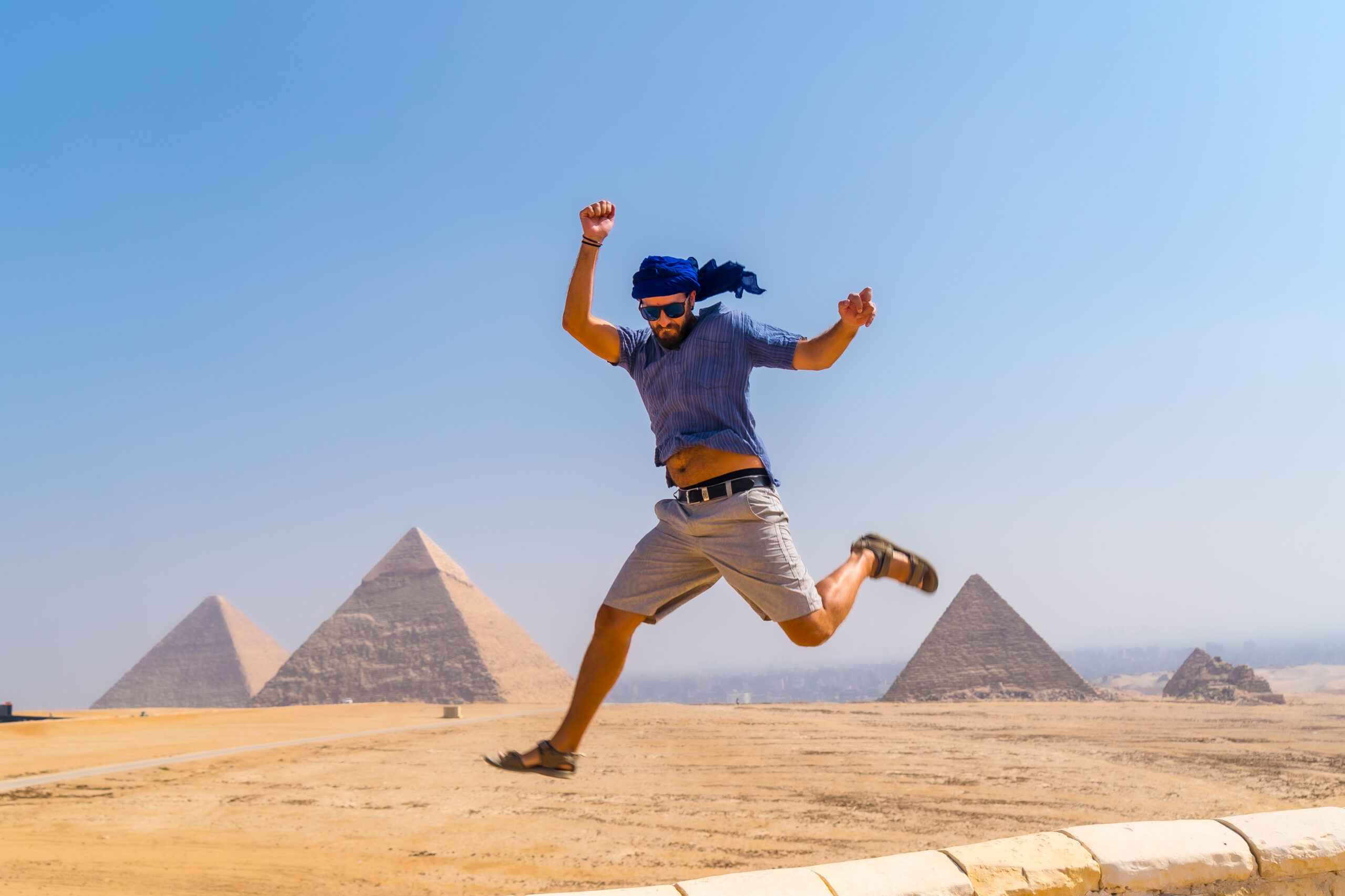
2. Culture & city trips: sightseeing, food tours, festivals, visiting friends & relatives
City breaks feel “safe”, but they’re one of the most common setups for food/water illness and catching bugs in crowds.
Biggest health risks:
- Food and water exposure (ice, salads, buffet foods, unwashed hands)
- Respiratory infections (airports, trains, festivals)
- Dehydration from long walking days
- Blisters and minor injuries
Eat adventurously, not recklessly:
- Choose food served piping hot
- Be cautious with ice, salads, and food kept warm for long periods
- Sanitise hands before snacks (especially after handling money)
Vaccines to discuss (very common for foodie travel):
- Hepatitis A vaccine
- Typhoid vaccine
These are especially relevant when you’re eating widely and locally – not just “street food”. People often search for these travel vaccines before trips to Asia, Africa, and parts of Central/South America.
3. Adventure travel: trekking, safaris, backpacking, jungle, remote trips
Adventure trips are where health prep pays off most, you’re more exposed and often further from medical care.
Biggest health risks:
- Mosquito-borne illness (sometimes including malaria)
- Cuts/blisters and infected wounds
- Unsafe water (remote areas)
- Animal bites (rabies risk is often about access to prompt treatment)
- Altitude illness (if trekking high)
Adventure essentials to pack:
- ORS and electrolyte tablets
- Proper blister kit (not just one plaster)
- Antiseptic and dressings
- Repellent and bite relief
- Water plan (bottled/filtered/purified)
Vaccines & prevention topics that commonly come up
Depending on itinerary, travellers often discuss:
- Hepatitis A and Typhoid
- Rabies vaccine (remote travel/animal exposure)
- Japanese encephalitis vaccine (some Asia itineraries, rural/outdoor stays)
- Yellow fever vaccine (some countries require proof)
- Meningitis vaccination for certain regions/travel types
Malaria: A common misunderstanding:
Many people search “book malaria vaccination Bromley”, but malaria prevention usually means:
- Checking if malaria risk applies to your exact regions
- Deciding if antimalarial tablets are recommended
- Combining tablets with strong bite prevention
4. Family holidays: travelling with kids (and keeping everyone well)
Children can become unwell faster, especially with dehydration.
Family priorities:
- ORS is a must-have
- Child-appropriate fever/pain relief
- Bite prevention that works for kids (repellent guidance + clothing)
- Extra caution with water/ice in higher-risk areas
If you’re travelling with children, a travel consult is also a great moment to review what’s already up to date versus what’s genuinely needed.
5. Long stays & multi-country trips: gap years, work travel, extended routes
Longer travel increases exposure and often involves multiple climates and risk zones.
What changes with long stays:
- More likelihood of needing multi-dose vaccine schedules
- Bigger variation in malaria risk between regions
- More importance on medical access planning and medication supply
This is one of the strongest reasons to book early, not to “get everything”, but to give yourself time and options.
Quick “choose your prep” checklist
Mostly relaxation?
Prioritise: Sun/heat plan, hydration, buffet hygiene, evening bite prevention, flight movement.
Mostly culture & food?
Prioritise: Hepatitis A and typhoid discussion where relevant, water/ice habits, ORS and hand hygiene.
Mostly adventure?
Prioritise: bite prevention and malaria advice (if relevant), wound care kit, rabies discussion for remote areas.
Travelling with kids?
Prioritise: dehydration planning, child-friendly bite prevention, clear “when to seek help” guidance.
FAQs:
How early should I book travel vaccinations?
A good rule is around 6 weeks before travel so there’s time for boosters and multi-dose courses.
Do I need travel vaccines for a resort holiday?
Sometimes, yes, it depends on destination, excursions, and food/water risk. Resorts don’t remove exposure to contaminated food/water or mosquito bites.
Is typhoid only a risk if I eat street food?
No. Typhoid is linked to food and water contamination, which can include ice, salads, buffets, and poor hand hygiene anywhere.
What’s the most important thing to pack for stomach bugs?
Oral rehydration salts (ORS) are often more useful than anything else if diarrhoea hits.
Contact us for more information on travel vaccinations or book your appointment online today.