Countries At Risk
Malaria is a deadly disease spread by mosquitoes, and is considered a major public health problem in many regions of the world, particularly in sub-Saharan Africa, South Asia, and some parts of Southeast Asia and South America.
Malaria is still one of the principal causes of disease and death in low- and middle-income nations. It is caused by Plasmodium parasites and spread via the bites of infected female Anopheles mosquitoes.
The World Health Organisation (WHO) reports that Sub-Saharan Africa accounts for about 95% of global malaria cases and deaths, mainly affecting countries like Nigeria, the Democratic Republic of the Congo, Uganda, and Mozambique. Children under five and pregnant women are most at risk.
India, Pakistan, and several Southeast Asian countries, including Myanmar and Indonesia, have been affected by the disease. In regions where malaria is common, factors such as economic conditions, political events, and availability of healthcare services can all influence the effectiveness of control measures.
Book a travel consultation to discuss your vaccination requirements and ensure you are protected.
Travel Precautions
It is crucial to use insect repellent when traveling to high-risk areas. Ideally, the repellent should contain the active ingredient DEET. In high-risk regions, repellents with 50% or more DEET are recommended, regardless of whether malaria tablets are being taken.
Signs & Symptoms
It is crucial to be aware of malaria symptoms, particularly when traveling to high-risk areas. Common symptoms include fever, chills, sweating, headaches, vomiting, muscle aches, and diarrhea.
The Vaccination
There are several different types of malaria tablets available, so it's advisable to schedule an appointment with our travel advisors to determine which option is best suited to your specific travel plans.

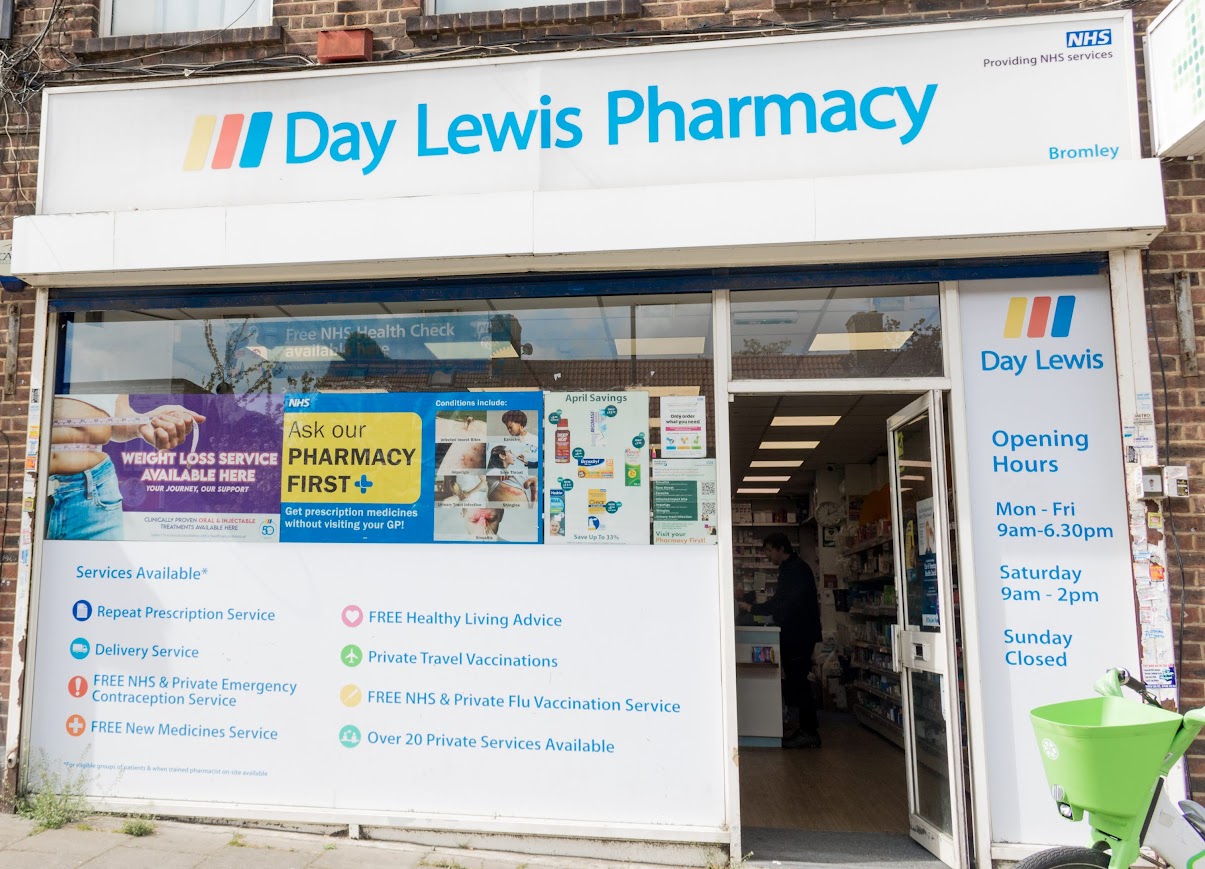
Our Bromley Travel Clinics
Conveniently located clinics in Bromley, South London.