Vaccinations are a key part of travel health, but they’re not the whole plan.
Whether you’re heading to Asia, Africa, South America, the Middle East, or even somewhere that feels “easy”, most travel disruptions come from the basics: food/water bugs, insect bites, heat, long flights, and not having a plan if you get ill.
At Travel Clinic Bromley, we use destination guidance from Travel Health Pro (NaTHNaC) to tailor advice to your exact itinerary, not just the country name.
Book a travel consultation online at one of our Bromley-based pharmacies (ideally 4-6 weeks before you travel if you can). That gives time for vaccines, but also for the “beyond vaccines” essentials like malaria planning and bite prevention.
The travel health checklist people forget (and regret later):
1. Malaria planning (it’s usually tablets and bite prevention, not a “malaria jab”)
If you’re travelling to a malaria-risk area, prevention typically means:
- Checking whether malaria risk applies to the specific regions you’ll visit
- Choosing the most suitable antimalarial tablets
- Knowing exactly when to start and stop
- Combining tablets with strong mosquito bite prevention
Even if tablets aren’t needed for your exact itinerary, bite prevention still matters in warm climates because mosquitoes can spread other illnesses too.
Quick tip: NHS advises to get malaria advice at least 4–6 weeks before travel where possible (but last-minute advice can still help).
2. Insect bite avoidance (your most underrated travel health tool)
Bite avoidance is one of the highest-impact things you can do on many trips, because not all diseases have a vaccine.
A solid plan includes:
- Repellent applied to exposed skin (reapply as directed)
- Covering up (long sleeves/trousers) especially at peak biting times
- Using screens/air-con where possible
- Nets/plug-ins in higher risk settings
UK government guidance for travellers often recommends 50% DEET as a first-choice repellent (with alternatives if DEET isn’t tolerated).
3. Food and water: how to be sensible without “missing out”
Most people don’t get ill from “spicy food”; they get ill from contamination (water, ice, hands, poorly stored food).
Travel Health Pro’s practical advice includes:
- Wash hands with soap and clean water after the toilet and before preparing/eating food
- Use alcohol gel when handwashing isn’t available
- Reduce risk by avoiding higher-risk food/drinks where possible
Food choices that usually travel well:
- Freshly cooked food served piping hot
- Fruit you can peel yourself
- Pasteurised dairy where available (GOV.UK)
4. Long flights: DVT (blood clot) risk and what actually helps
Long journeys can increase the risk of a blood clot, especially if you’re dehydrated and don’t move much.
Precautions that help most travellers:
- Keep hydrated
- Move regularly (stand/walk when you can)
- Do ankle/calf movements in your seat
- Consider compression stockings if you’re higher risk (discuss with a clinician)
Most people don’t need medication for this – the basics and a personalised risk check are what matter.
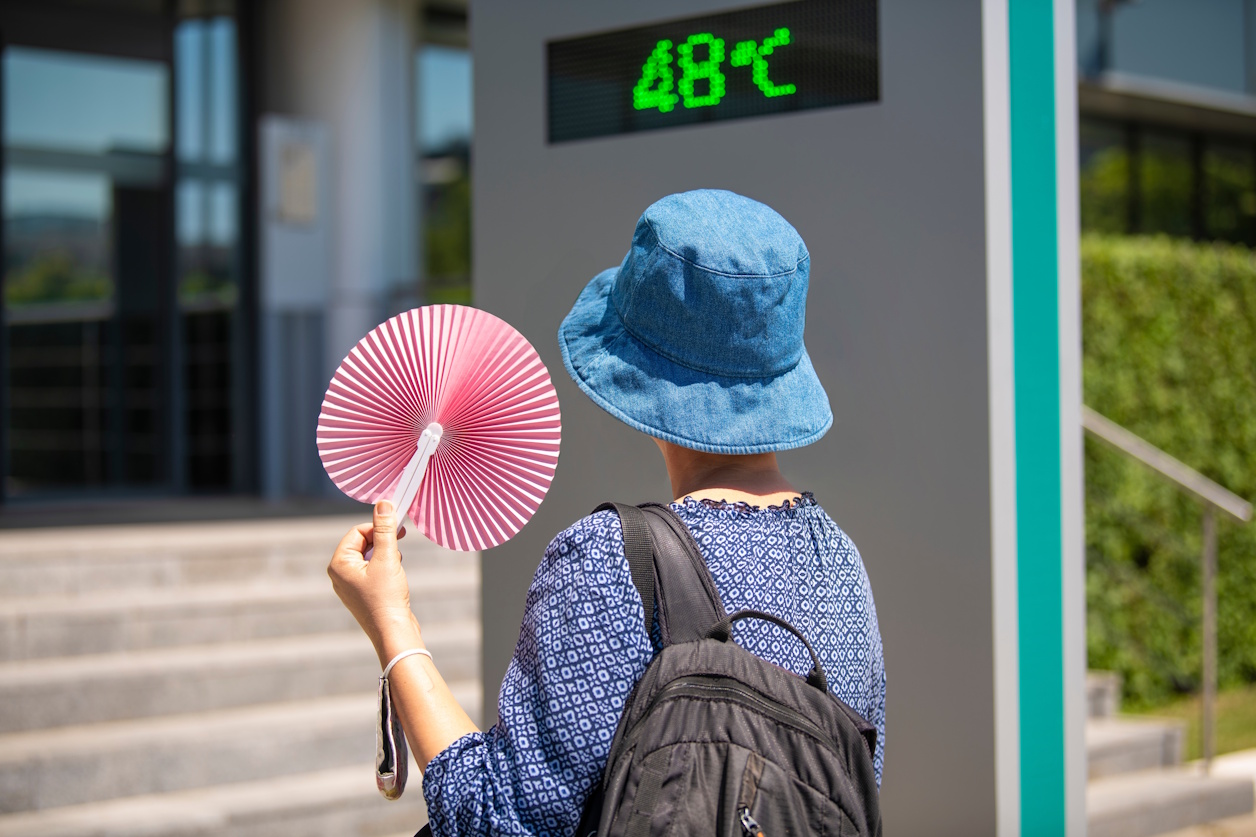
5. Heat, sun, and “holiday habits”
Heat illness and sunburn are among the most common holiday problems, and they can wipe out days of your trip.
Think about:
- A hydration plan (especially with alcohol)
- Shade breaks + pacing activity in peak heat
- Sunscreen used properly and reapplied
- Rehydration salts/electrolytes for busy, sweaty days
6. Your medication and medical history (the advice changes by person)
Travel health is never one-size-fits-all. A proper travel consultation should cover:
- Your regular medications (supply, timings across time zones, carry-on vs hold luggage)
- Conditions like asthma, diabetes, heart problems, IBD/IBS
- Pregnancy, breastfeeding, trying to conceive
- Allergies (and whether you need an action plan)
- Immunosuppression (which can affect vaccine choices and infection risk)
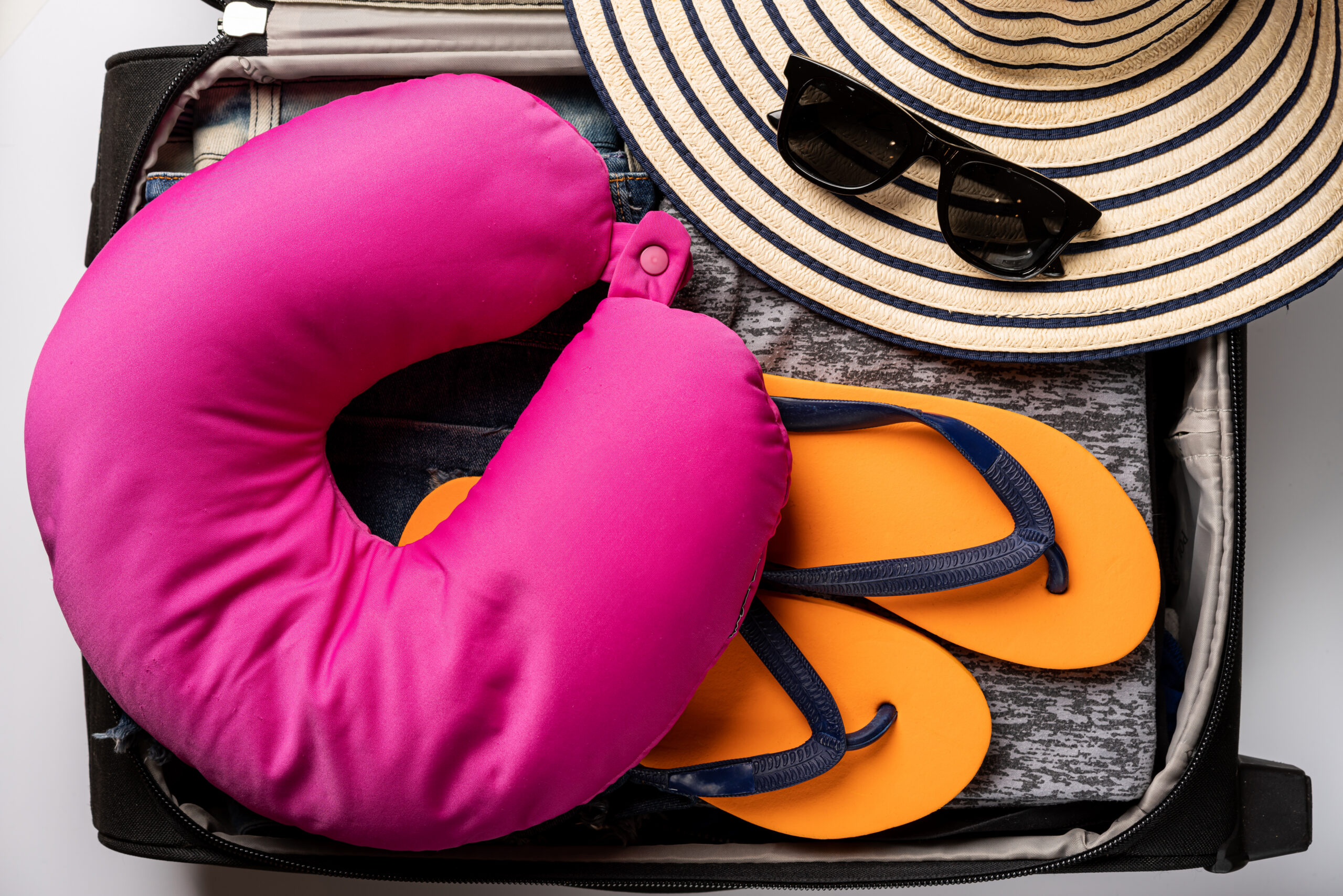
7. Pack a “what if?” kit (small, but high impact)
This is the difference between “annoying setback” and “ruined trip”.
Most travellers benefit from:
- Oral rehydration salts (ORS)
- Hand sanitiser
- Plasters + blister care
- Bite/sting relief
- Basic pain relief/fever treatment
- Any personal essentials (inhalers, EpiPens, etc.)
Quick checklist (4–6 weeks before you go):
✅ Review your itinerary: urban vs rural, remote days, rainy season, stopovers
✅ Check if malaria applies to your regions; discuss tablets if needed
✅ Make a bite plan (repellent + clothing + sleep protection)
✅ Sort food/water strategy and ORS for your kit
✅ Think through flights: movement, hydration, clot risk if relevant
✅ Then finalise your vaccinations based on destination and activities (not just “what everyone gets”)
If you’re travelling soon, a travel consultation can help you put a clear plan in place. Not just “which jabs”, but how to stay well while you’re away.
At Travel Clinic Bromley, we provide:
- Travel vaccinations tailored to your destination and activities
- Malaria prevention advice (including whether tablets are needed for your route)
- A practical bite-avoidance plan (repellent, clothing, timings)
- Clear food and water guidance to reduce stomach bugs
- A simple “what if I get ill?” plan, plus travel kit tips
Book your travel vaccinations appointment online quickly and conveniently today and travel with peace of mind.