A holiday should be a time for relaxing, exploring and experiencing a change of scenery, but disrupted sleep can sometimes interfere. Travelling can significantly affect our normal sleep schedule, whether it’s adjusting to a different time zone, having trouble sleeping in a warmer climate or trying to settle into an unknown hotel room.
The good news is that a little preparation can go a long way. Our travel health experts recently shared practical tips with Woman Magazine to help you get better sleep before, during and after your trip.
Jet lag and your body clock
When we travel across time zones, our internal body clock can have difficulty adjusting to our new environment. This not only affects when we feel tired or awake, but can also affect our digestion, appetite and mood.
Your body responds to things like daylight, mealtimes and your daily routine. When these suddenly change it can take a while for your internal clock to catch up.
If you are travelling across several time zones, it can help to gradually adjust your sleep and mealtimes a couple of days before you leave. Once you arrive, try to get natural daylight exposure at the right times and avoid the temptation to take long naps during the first day or two, as this can make adjusting harder.
Could melatonin help with jet lag?
Melatonin is something many travellers may not know much about. It’s a hormone that the body produces naturally and helps regulate our sleep-wake cycle. Melatonin is available on prescription in the UK and can help in some situations to reset your body clock when travelling across multiple time-zones. If jet lag is something you regularly struggle with, it is worth speaking to a Travel Clinic Bromley pharmacist or GP before your trip to discuss whether melatonin could be suitable for you.
Staying cool and comfortable in hot climates
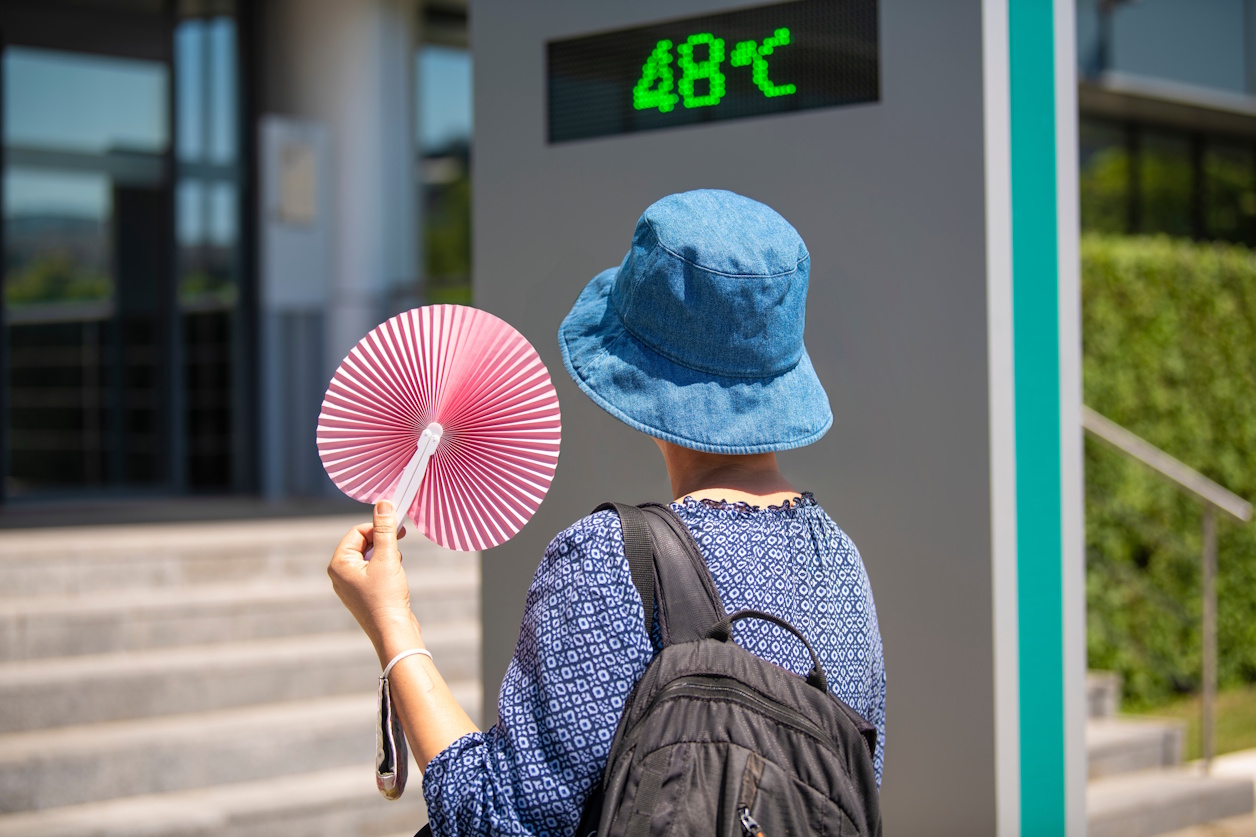
Sleeping in a hot climate can be a challenge. Our bodies need to drop their core temperature to help us fall asleep, so warmer temperatures can make it harder to get a good night’s rest.
Simple changes can help:
- Keep curtains or shutters closed during the day to help keep your room cooler
- Drink plenty of fluids throughout the day rather than downing large amounts just before bed
- Pack lightweight, breathable nightwear
- If your accommodation has air conditioning, aim to keep the room at around 18°C if possible
Planning ahead can make a real difference, especially if you are travelling somewhere much warmer than you are used to.
Easy hotel room tips for better sleep
Sleeping in a strange place can sometimes make it harder to switch off. Our brains are naturally more alert in new environments, so making it feel familiar can help you relax.
Some basic hotel room hacks are:
- Make sure you’re using your blackout curtains properly to block out light
- Cover any bright LED lights coming from electronic devices
- Ask for a room away from lifts, ice machines or busy roads where possible
- Bring along familiar items such as a pillowcase, sleep mask or use a white noise app
Small comforts can help make an unfamiliar room feel more like home.
Travel habits that can affect your sleep
Some common travel habits can actually make adjusting to a new routine more difficult.
Alcohol is one of the biggest examples. While it may help you fall asleep initially, it can significantly affect the quality of your sleep and lead to more disrupted rest. Similarly, relying on caffeine to get through tiredness can delay your body’s adjustment to a new time zone.
One of the biggest mistakes travellers make is sleeping at the wrong time after arriving. Although a long afternoon nap can feel tempting after a tiring journey, it can make it harder for your body to adjust to the local schedule.
Sleep tips for women travelling
Many women find their sleep is more easily disrupted while travelling, and hormones can often play a role.
Oestrogen and progesterone both have an influence on sleep quality, and travel can sometimes make existing challenges more noticeable. This can be particularly relevant for women experiencing perimenopause or menopause, where hot flushes and night sweats that may be manageable at home can become more difficult in a hot climate or unfamiliar surroundings.
Planning ahead can help. Think about:
- Packing cooling towels
- Choosing breathable nightwear
- Asking for the coolest room available
- Checking your accommodation has suitable air conditioning
- For women on HRT, it’s also worth bearing in mind that changes in time zones can affect when medication should be taken. Keeping as close as possible to your usual schedule and discussing any adjustments with your pharmacist before travelling can help.
The same applies to those taking the progestogen-only pill, where timing consistency is particularly important.
Don’t let travel illness disrupt your holiday
Sleep disruption isn’t the only thing that can affect your trip. Common travel illnesses, such as travellers’ diarrhoea, can quickly put a stop to your plans and make it much harder to rest and recover. Being prepared before you travel, including knowing which medications may be useful to take with you, can make a big difference if you do become unwell.
A Travel Clinic Bromley consultation before your holiday can help you prepare for your destination, including advice on vaccinations, medication and staying healthy while abroad.
Plan ahead for a better holiday
Getting a good sleep while travelling can make a big difference to how much you enjoy your trip. By preparing ahead, adjusting gradually and making a few simple changes you can give yourself the best chance of feeling rested and ready to enjoy your holiday.