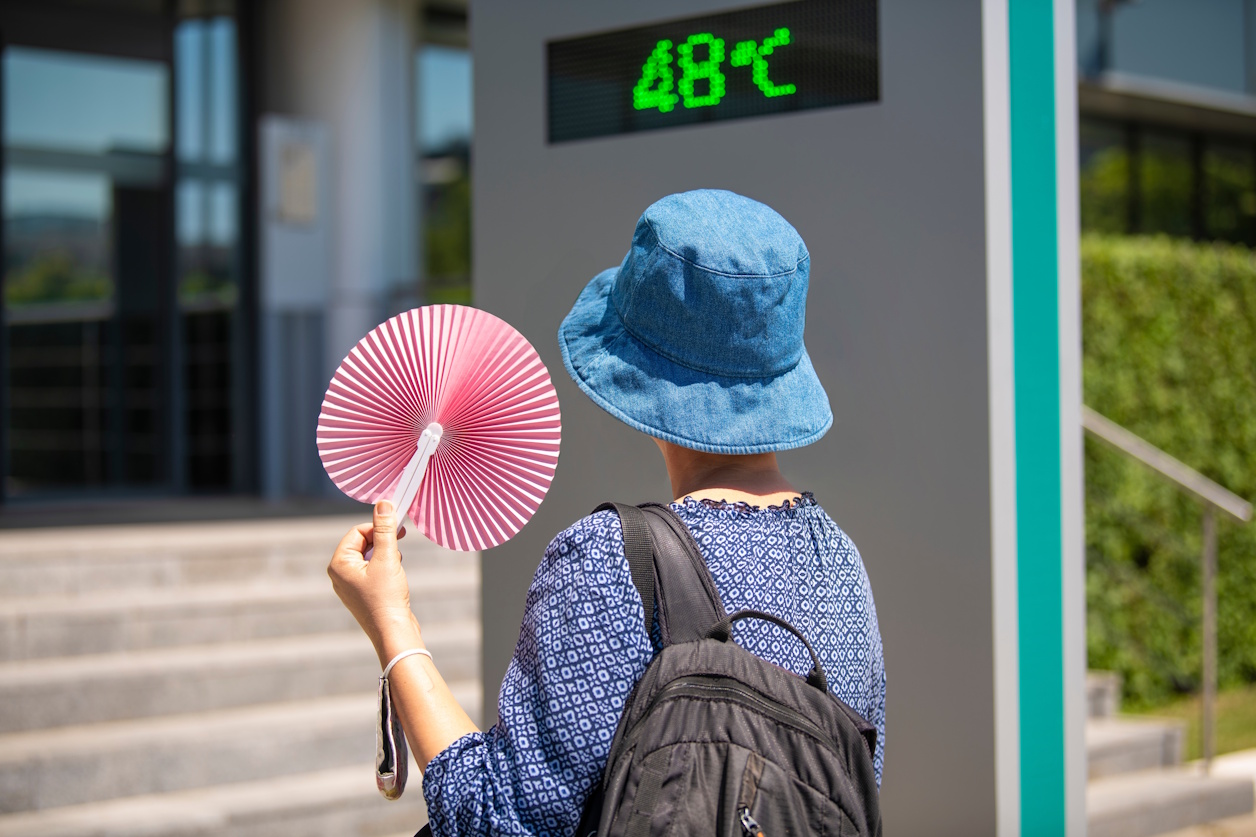
It’s that time of year when everyone is looking forward to a well-deserved break over the December holiday season. You’re dreaming of faraway destinations where you can embrace the warmth of the sun, sip cocktails and even get a tan. However, with exotic locations comes the chance of exposure to the chikungunya virus. Not to worry, though. At Travel Clinic Bromley, our specialist team can help you prepare so you can travel safely.
What is the Chikungunya virus?
This mosquito-borne virus (CHIKV) is a viral disease transmitted by the bites of infected Aedes aegypti and Aedes albopictus mosquitoes. Unlike the mosquitoes that transmit malaria, these mosquitoes are most active during the day, particularly around dawn and dusk.
The chikungunya virus was first discovered in Africa, with notable cases identified back in 1952 in the Makonde Plateau bordering Tanzania and Mozambique. Its name comes from the Makonde language, and it means “to become bent over”, due to the severe joint pain that causes an individual to move in a more slant-over way.
In which areas can it be found?
The first case of chikungunya fever outside of Africa happened in Thailand in 1958, followed by outbreaks in India in the 1970s. A major epidemic unfolded on Réunion Island in the Indian Ocean in 2004, which marked a significant change in the virus’s pathology and accelerated its spread to other continents, particularly the Americas. Today, the chikungunya virus is present in over 100 countries, including Brazil, Cuba, Haiti, the Caribbean islands, Kenya, Madagascar, Mauritius, Bangladesh, Sri Lanka, and China. If you are unsure whether there have been any cases of chikungunya fever in your exotic destination of choice, speak with our team at Travel Clinic Bromley.
Who is at risk?
Anybody living in or travelling to high-risk areas where the affected Aedes mosquitoes are. As with most viruses, certain individuals can be at higher risk, especially:
- Pregnant people (it carries a significant risk for newborns)
- Infants
- Senior citizens
- Individuals with pre-existing conditions, particularly those with heart, brain, or eye issues
What are the symptoms of chikungunya fever?
Symptoms usually occur within the first 3-7 days after an infected mosquito bite. If you do get bitten by a mosquito, these are the symptoms to look out for:
- A sudden high fever
- Severe, debilitating joint pain (arthralgia) and swelling, particularly in the wrists, ankles, hands and feet
- Headache
- Muscle pain
- Rash (often on the trunk and limbs)
- Fatigue/weakness
- Nausea
- Red eyes (conjunctivitis)
Symptoms generally resolve within 1-2 weeks; however, joint pain, stiffness, and fatigue may continue for several months or, in some severe cases, years. It is noteworthy that chikungunya fever rarely results in death. Global case fatality rates differ, but they generally remain below 1%. However, international tracking presents significant challenges, and fatalities resulting from chikungunya are frequently underreported.
Treatment
As there is no antiviral cure for chikungunya fever, treatment focuses on managing the symptoms. Treat the symptoms by doing the following:
- Rest: As with most viral infections, the best thing you can do is to rest as much as possible.
- Hydrate: Ensure you drink plenty of fluids to avoid dehydration.
- Pain relief: You can use over-the-counter medications like paracetamol to treat fever and pain.
- Avoid aspirin and NSAIDs: Whatever you do, do NOT take aspirin or NSAIDs (non-steroidal anti-inflammatory drugs) like ibuprofen, as they can increase the risk of bleeding. If you are unsure whether it’s safe to use these OTCs, seek medical attention from your doctor.
Prevention
As the saying goes, prevention is better than cure. But, as there is no cure for chikungunya fever, prevention is crucial for travellers. When you do visit a high-risk area, make sure to do the following:
- Stay in air-conditioned buildings.
- Use DEET or picaridin repellents.
- Wear long, loose-fitting clothing covering your arms and legs.
- Eliminate breeding sites – mosquitoes love standing water.
- Get vaccinated.
The chikungunya vaccine
At present, two chikungunya vaccines are licensed for use in the United Kingdom for travellers visiting high-risk regions: IXCHIQ® and Vimkunya®. Which one you get depends on your age and health. The Vimkunya® vaccine is a virus-like particle formulation indicated for individuals aged 12 years and above. The IXCHIQ® vaccine, on the other hand, is a live attenuated vaccine recommended for healthy adults between the ages of 18 and 59 years. It’s important to note that the IXCHIQ® vaccine is not prescribed for those older than 65 or for immunocompromised individuals.
Before you depart
The most recent UK Health Security Agency (UKHSA) data indicate a rise in travel-related chikungunya cases among UK travellers returning from overseas. Between January and June 2025, 73 cases were reported, compared to the 27 cases reported in 2024 during the same period. With this in mind, getting the chikungunya vaccine in Bromley before you begin your travels is imperative. Be sure to receive your vaccination at least 14 days prior to leaving, so your body has enough time to develop immunity. For best results, aim to get vaccinated between 4-8 weeks before your trip.
Contact the Travel Clinic Bromley
If you need to book your chikungunya vaccination in South East London, be sure to contact the Travel Clinic Bromley as soon as you book your plane ticket. Our team can provide you with all the vaccine and health advice you need before you embark on your dream holiday to exotic locations.