When people think about travel health, they often think: “Do I need jabs?”. Vaccinations are a big part of staying well abroad, but they’re only one piece of the puzzle.
A proper travel health plan looks at where you’re going, how you’re travelling, what you’ll be doing, and your personal health. It covers prevention (so you don’t get ill) and practical preparation (so if something does happen, you can deal with it quickly and safely).
If you’re searching for travel vaccinations in Bromley, it’s worth knowing that a travel appointment should be about more than just needles, it should be a complete travel risk assessment.
Vaccinations matter – but they don’t protect against everything
Vaccines can protect you against specific infections (for example those spread via food/water, close contact, or animal exposure). But many common travel problems aren’t vaccine-preventable, including:
- Traveller’s diarrhoea and stomach bugs
- Mosquito-borne illnesses with no routine vaccines for most travellers
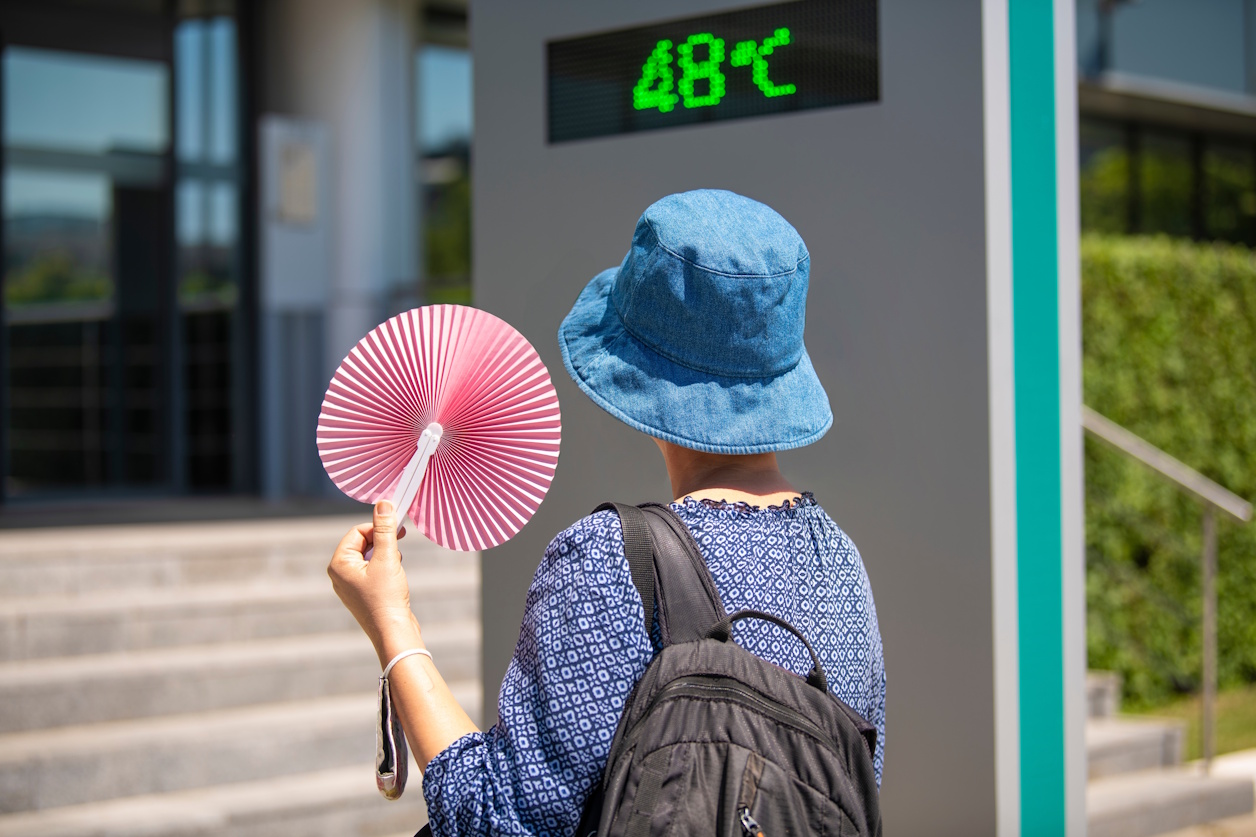
- Heat exhaustion and dehydration
- Altitude sickness
- Deep vein thrombosis (DVT) risk on long flights
- Sunburn and skin infections
- Injuries, bites, stings, and allergic reactions
That’s why a good travel clinic consultation will talk about your whole trip, not just your vaccine schedule.
1. Malaria prevention isn’t a vaccine decision (for most travellers)
For many destinations, malaria prevention is about bite avoidance and antimalarial tablets where appropriate.
A travel health review should cover:
- Whether malaria is present in the area(s) you’re visiting (risk can vary by region and season)
- Which malaria tablets suit you best (based on health, medications, pregnancy, and side-effect tolerance)
- Exactly when to start and stop tablets
- What to do if you miss a dose
- Symptoms to watch for during travel and after you return
2. Bite prevention: your most underrated travel health tool
Mosquitoes and other insects can transmit illnesses that range from unpleasant to serious and not all have vaccines or specific treatments.
A strong bite prevention plan includes:
- Using repellent correctly (and often enough)
- Wearing long sleeves/trousers in the evening
- Sleeping in screened/air-conditioned rooms where possible
- Using nets or plug-ins when needed
- Knowing where bites are most likely (dusk/dawn varies by species)
Even if you’re fully vaccinated, one week of bites can still spoil a holiday.
3. Food and water advice: realistic, not restrictive
You don’t need to live on crisps and bottled water, but you do need a strategy, especially if you’re:
- Eating street food often
- Going on food tours
- Travelling rurally
- Staying places with variable sanitation
A travel consult should give you clear, practical guidance on:
- Water (including ice, brushing teeth, hotel buffet drinks)
- Safer food choices (hot and freshly cooked vs. kept warm)
- Hand hygiene habits that actually fit real travel days
And ideally: what to pack to manage illness if it happens.
4. Your personal medical history changes the advice
Travel health isn’t one-size-fits-all. Two people on the same trip can have very different risks and recommendations.
A thorough consultation should consider:
- Asthma, diabetes, heart conditions
- Immune suppression (or medications that affect immunity)
- Pregnancy and breastfeeding
- Allergies (including anaphylaxis plans)
- Mental health and medications
- History of blood clots (DVT/PE)
- Stomach conditions (IBS/IBD, reflux)
It’s also a chance to check your routine UK vaccines and boosters are up to date (often overlooked!).
5. Travel medicine and documentation: easy to miss, painful to ignore
If you take regular medication, travel prep should cover:
- Enough supply for the trip (plus extra in case of delays)
- Carrying meds in original packaging
- Time zone planning for dosing
- Letters for controlled medicines if needed
- What to do if meds are lost
For some destinations or job placements, you may need:
- Vaccine certificates
- Proof of specific vaccinations
- Advice for long stays or remote travel
6. First aid and “what if” planning
Travel health is also about being ready for everyday issues:
- Cuts, blisters, and minor infections
- Bites/stings and allergic reactions
- Diarrhoea and dehydration
- Motion sickness
- Pain relief and fevers
A travel clinic should help you build a simple kit that matches your trip style; backpacking, family resorts, trekking, cruises, work travel and talk you through when to self-treat vs. when to seek medical help.
7. Jet lag, sleep, heat, altitude, and long-flight risks
The biggest problems travellers experience are often the boring ones:
- Dehydration on flights
- Sun/heat illness
- Poor sleep and fatigue
- Altitude symptoms on fast ascents
- DVT risk on long-haul journeys
A good consultation will give you practical prevention tips tailored to your itinerary (for example: safari vs. city break vs. trek).
What should a “proper” travel health appointment include?
If you’re booking travel vaccinations in Bromley, look for an appointment that covers:
- Destination and itinerary risk review (including stopovers)
- Vaccination plan (what you need vs. what you don’t)
- Malaria risk and antimalarial options where relevant
- Bite prevention strategy
- Food and water advice
- Personal medical considerations
- Medication planning and travel kit guidance
- What to do if you become unwell abroad or on return
That’s what helps you travel with confidence, not just a quick jab-and-go.
Travel health in Bromley: book early if you can
If you’re searching for travel advice and you’re based in Bromley, or advice on malaria tablets, it’s worth booking as soon as you’ve confirmed your trip, especially for multi-country itineraries or if you might need multi-dose courses.