Stay adventurous, but be prepared. Here’s a practical guide to keeping healthy when the nearest clinic is hours (or days) away.
Quick disclaimer: This is general info, not medical advice. If you have a health condition, are pregnant, or are travelling with kids, speak to a clinician about your specific plan.
1) Before You Go
Book a pre-travel health consult
- Travel vaccinations: routine (tetanus, MMR), plus destination-specific (e.g., typhoid, hepatitis A/B, rabies, and yellow fever where required).
- Malaria and vector risks: discuss chemoprophylaxis and repellents appropriate to your route and season.
- Altitude plans: if trekking >2,500 m, get a prevention and treatment plan for acute mountain sickness.
Paperwork & planning
- Medical & evacuation insurance that covers remote rescue and adventure activities.
- Medication letter & copies of prescriptions (generic names).
- Allergy card in the local language if relevant.
- Emergency plan: closest clinics, evacuation numbers, local emergency codes, embassy info.
Train your skills
- First-aid basics: wound care, dehydration signs, and what to do for heat illness, hypothermia, and ankle sprains.
- Navigation & comms: learn your satellite messenger or PLB, curate offline maps, and set check-in routines.
2) Build A Smart Medical Kit (modular & lightweight)
Core items:
- Pain/fever reducer; antihistamine; anti-nausea; oral rehydration salts (ORS); antacid.
- Antibiotic for traveler’s diarrhea (per clinician), loperamide.
- Topical antiseptic, blister pads, hydrocolloid dressings, gauze, tape, and steri-strips.
- Tweezers, small trauma shears, a digital thermometer, and latex-free gloves.
- Personal meds (double supply, split between bags).
Environment add-ons:
- Tropics: 20–50% DEET or picaridin, bite relief, and a mosquito net if lodging is basic.
- High altitude and cold: space blanket, hand warmers, lip balm and sunscreen SPF 50+, and acetazolamide tablets if advised.
- Hot/desert: electrolyte tabs, sun hood, zinc oxide for chafing, aloe/after-sun.
Admin
- Waterproof pouches and mini field notes with dosage and decision trees (e.g., when to start antibiotics).
3) Food & Water: Make It Boring, Stay Adventurous Longer
- Water: boil, filter (0.1–0.2 μm), and or disinfect (chlorine dioxide). In very cold water, chemical treatment needs extra time.
- Beverages: sealed bottles are safest; avoid ice unless you made it.
- Food rule of thumb: “Cook it, boil it, peel it or forget it.” Avoid buffets, lukewarm dishes, and unpasteurized dairy.
- Hand hygiene: alcohol gel (60–70%) + biodegradable soap; clean hands before eating.
4) Insect & Animal Precautions
- Repellents: apply to skin; permethrin for clothing and gear.
- Cover up: long sleeves, socks tucked, light colors.
- Accommodations: screened rooms, bed nets, fan or AC if possible.
- Animal bites and scratches: wash for 15 minutes with soap and clean water, apply antiseptic, seek rabies PEP urgently.
5) Altitude, Heat, Cold: The Field Playbook
Altitude (≥2,500 m / 8,200 ft)
- Climb slowly: +300m to 500m sleeping elevation per day; add rest days.
- Hydrate, eat light meals, and have no alcohol for the first 48 hours.
- Symptoms of AMS: headache and nausea, dizziness, poor sleep. Stop ascent; if worse, descend.
- Never ignore ataxia, confusion, or breathlessness at rest → descend immediately.
Heat
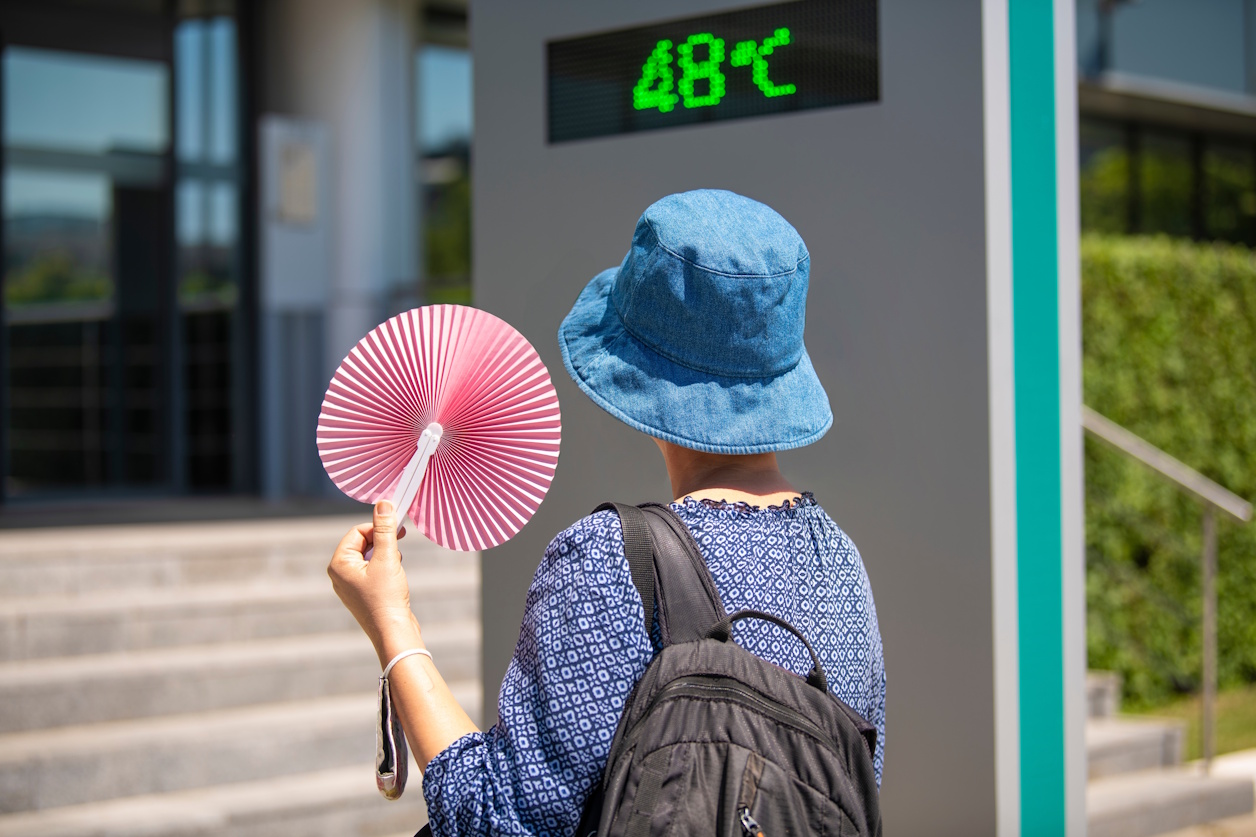
- Acclimatise for 3 to 5 days.
- Hydrate with electrolytes; schedule the hardest activity at dawn and dusk; take liberal shade breaks.
- Heat illness signs: cramps → exhaustion (headache, nausea) → stroke (hot, altered). Cool rapidly and evacuate if severe.
Cold and Wet
- Layer, stay dry, feed the furnace (carbs and fats).
- Watch for hypothermia: “umbles” (mumble, stumble, fumble), lethargy. Rewarm, insulate, shelter.
6) Hygiene That Actually Works in Remote Places
- Wipes and bidet bottle for water-scarce areas; quick-dry towel.
- Menstrual health: reusable cup or pads; pack-out plan.
- Contact lenses: daily disposables or switch to glasses and sunglasses.
- Foot care: change socks, air feet at rest, treat hot spots early.
7) Staying Connected When There’s No Signal
- Use a phone and satellite messenger/PLB.
- Power: high-capacity power bank or small solar panel (if multi-day) with cables in duplicates.
- Check-in protocol: pre-agreed windows, “panic word”, and overdue triggers.
- Offline kit: maps, translation packs, PDFs of key docs.
8) Common “What Ifs”
- Traveller’s diarrhoea: Start oral rehydration salts early; consider clinician-provided antibiotics if severe (bloody stools, fever, dehydration).
- Sprains and strains: RICE (rest, ice/cool, compression, elevate), then support wrap; don’t push day-two heroics.
- Cuts and scrapes: irrigate with clean water, apply antiseptic, cover; watch for redness spreading or fever.
- Sunburn: cool compresses, moisturizer, NSAID if suitable; cover up until healed.
9) Special Considerations
- Kids and toddlers: sun protection, hats, ORS, snacks, familiar soothing items; double-check car seat and sleep arrangements.
- Pregnancy: discuss destination care access, vaccines and meds safety, evacuation coverage.
- Chronic conditions: carry twice the meds, pack a summary letter, set med alarms, know where to get refills.
10) After You Return
- Flag any fever, persistent diarrhoea, rash, or respiratory symptoms within weeks of return and tell the clinician where you travelled.
- Check bites or cuts for delayed infection.
- Rest and rehydrate
Pre-Trip Health Checklist
- Travel clinic booked (6–8 weeks out)
- Vaccines updated / malaria plan set
- Medical insurance confirmed (adventure covered)
- Personal meds (2× supply) + prescriptions + med letter
- Modular medical kit packed (see Section 2)
- Water treatment (filter + tabs or boil plan)
- Insect protection (repellent + permethrin + net)
- Sun/heat/cold protection matched to climate
- Satellite messenger/PLB tested; offline maps loaded
- Emergency contacts saved offline
- Copies of passport/insurance stored securely offline
Travel smarter and feel prepared for every step of your journey. Book your consultation at the Travel Clinic Bromley online today.