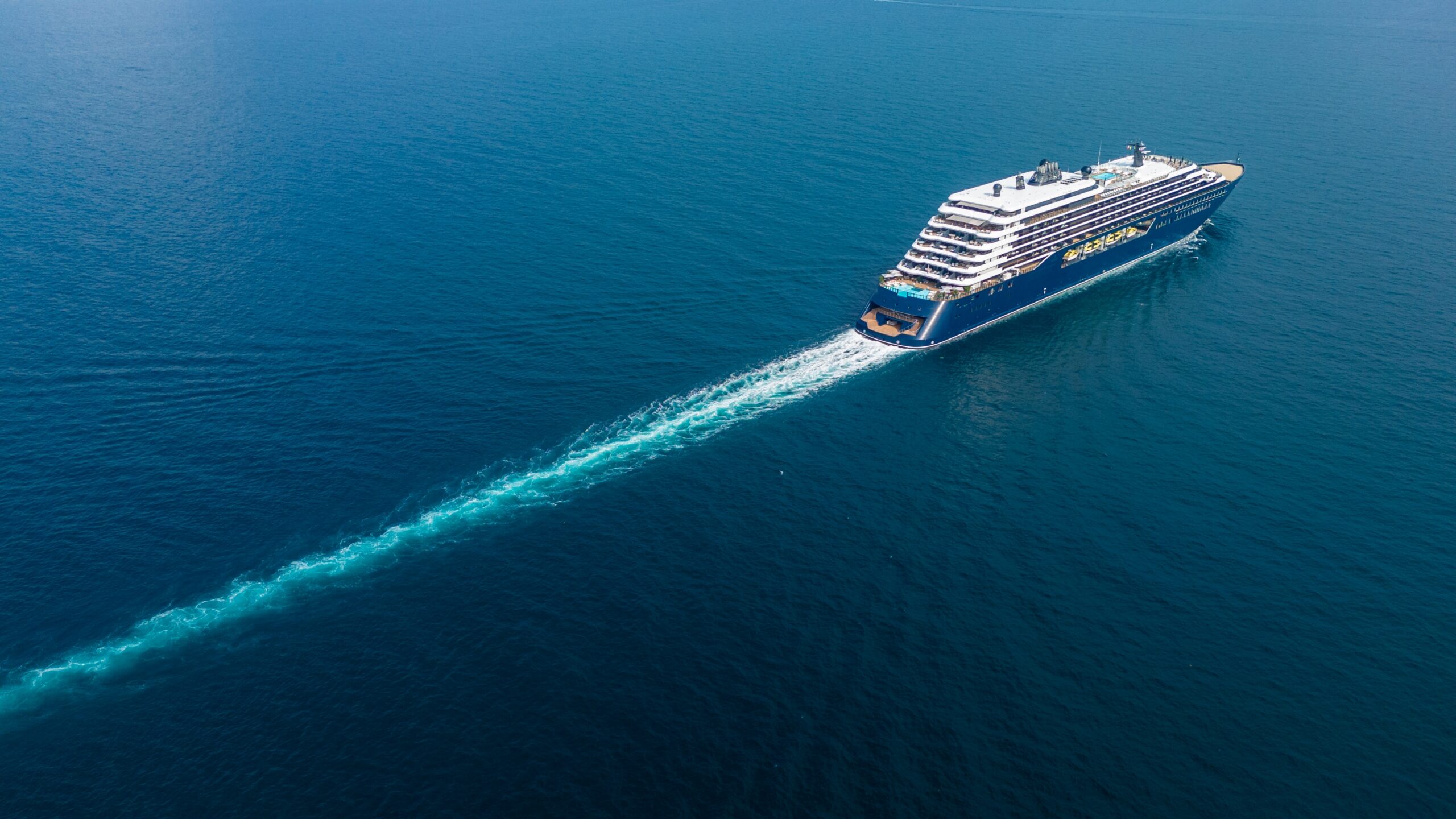
Cruise holidays are often advertised as an idyllic journey through a panorama of exotic views, epic oceans and famous landscapes, and in truth, that is exactly what they are. But what you don’t often read about or see on TV adverts are the risks of seasickness and the quite common health conditions that can make your trip of a lifetime a deeply uncomfortable experience.
Like any foreign travel that you undertake, we would recommend you book a travel consultation with the Travel Clinic Bromley to be fully prepared for the health risks you might face. And while much of a cruise holiday is spent aboard a ship with its own medical facilities, cruises often visit remote and exotic locations such as the Caribbean, Central America, Europe and Asia where you are exposed to specific health risks if you leave the ship for day trips and excursions. Furthermore, there is a health risk to cruising in itself, in the form of seasickness, and when you are a long way from home on a boat in the middle of the ocean, it pays to be prepared.
What is seasickness and how does it occur?
Traditionally seasickness, or motion sickness, is something people often joke about and don’t take too seriously, but it is a serious condition that can be very debilitating. Although the symptoms of seasickness may not last too long, it can be enough to ruin part of a holiday, and you would be strongly advised to prepare for your trip with some preventative plans. Fortunately there is lots of good advice relating to seasickness on a cruise holiday, and also some medical remedies.
Seasickness is caused by the unsteady motion of a ship, which could be created by currents or wind conditions, which in remote waters can be very common. These motions essentially confuse the brain, which can’t adjust to these unknown motions and you become disorientated. The brain is trying to recalibrate and to manage the conflict between what it uses for balance – such as the ear senses – and what signals your eyes are sending it. In other words, the brain is getting mixed messages, and this is what causes the disorientation that leads to seasickness. This will result in nausea, dizziness, feeling sweaty and clammy and possibly vomiting.
Preventive measures to avoid seasickness on a cruise
When you book a cruise it is a good idea to book a travel consultation with us at the Travel Clinic Bromley. Depending on your destination and the activities you are partaking of, you might need travel vaccines for this location anyway. But we can also look at any history of illness and seasickness and advise on medicines and other preventive measures you can make. These include:
- Medicines – Meclizine (Bonine) or dimenhydrinate (Dramamine)are two popular types of oral medicine which can reduce the symptoms of seasickness nausea, but are more effective if taken as a pre-sailing measure. Bonine can provide up to 24 hours of relief and should be taken about two hours before you start sailing, while Dramamine provides between 4-6 hours of relief and should be taken 30-60 minutes before sailing. Bearing in mind there are specific sea days on a cruise holiday, and also days when the ship is anchored in port for the day and you can leave the ship, you should be able to manage this course of medication to prevent the onset of sickness.
- Announcements – As well as plotting the course of the ship and taking medication accordingly as a preventive measure, you can also react to announcements made on-board the ship if there is an impending sea swell that could cause unsteady motions.
- Natural remedies – There is a collective opinion that ginger can act as a remedy to seasickness, and this can come in many different forms, such as capsules, tablets and chews. You could also try drinking peppermint tea.
- Relief bands – Acupressure bands are effective in applying pressure to a specific area of the wrist, which acts to steady the effects of motion sickness. A more tech-heavy electronic version can also send pulsed signals to the same pressure point.
- Reading – Avoid reading if you feel the onset of nausea or want to prevent it altogether.
- Sleep – Trying to nap will help to recalibrate the brain, adjust the body and reduce the effects of nausea.
- Eating – Avoid eating heavy meals.
If you do feel the symptoms of seasickness coming on and you don’t have any medication, a cruise ship should have a good medical facility, but you can also:
- Move to a central and lower deck point of the ship where it is stabilised and won’t experience the extremes of motion. In fact, if you can choose your cabin location pre-sailing, book a cabin mid-ship.
- If you can find a window focus on a fixed object near or on the horizon, this will help to stabilise the messaging the brain is receiving.
- If you can, get some fresh air whilst doing the above.
Expert travel advice on cruise seasickness from the Travel Clinic Bromley
At the Travel Clinic Bromley, we are able to advise on the pre-sailing precautions you need to take to prevent seasickness with medication, for other travel vaccines you might need and to help reduce the effects of seasickness whilst you are on your cruise. If you book a travel consultation with us today, we can ensure that your investment in your cruise holiday is money well spent and you can enjoy a relaxed and invigorating holiday of a lifetime.