Travel Vaccinations for Central Asia: What You Need Before You Go
Planning to explore the ancient Silk Road cities of Uzbekistan, trek through the mountains of Kyrgyzstan, or journey across the steppes of Kazakhstan? Central Asia is a culturally rich and geographically diverse region – but it also presents unique health risks. To stay protected while travelling, make sure you’re up to date on the recommended travel vaccinations for Central Asia.
Many diseases in the region are preventable with proper immunisations. Whether you’re backpacking, volunteering, or on a business trip, vaccinations are a crucial part of pre-travel health planning.
Travel Highlights
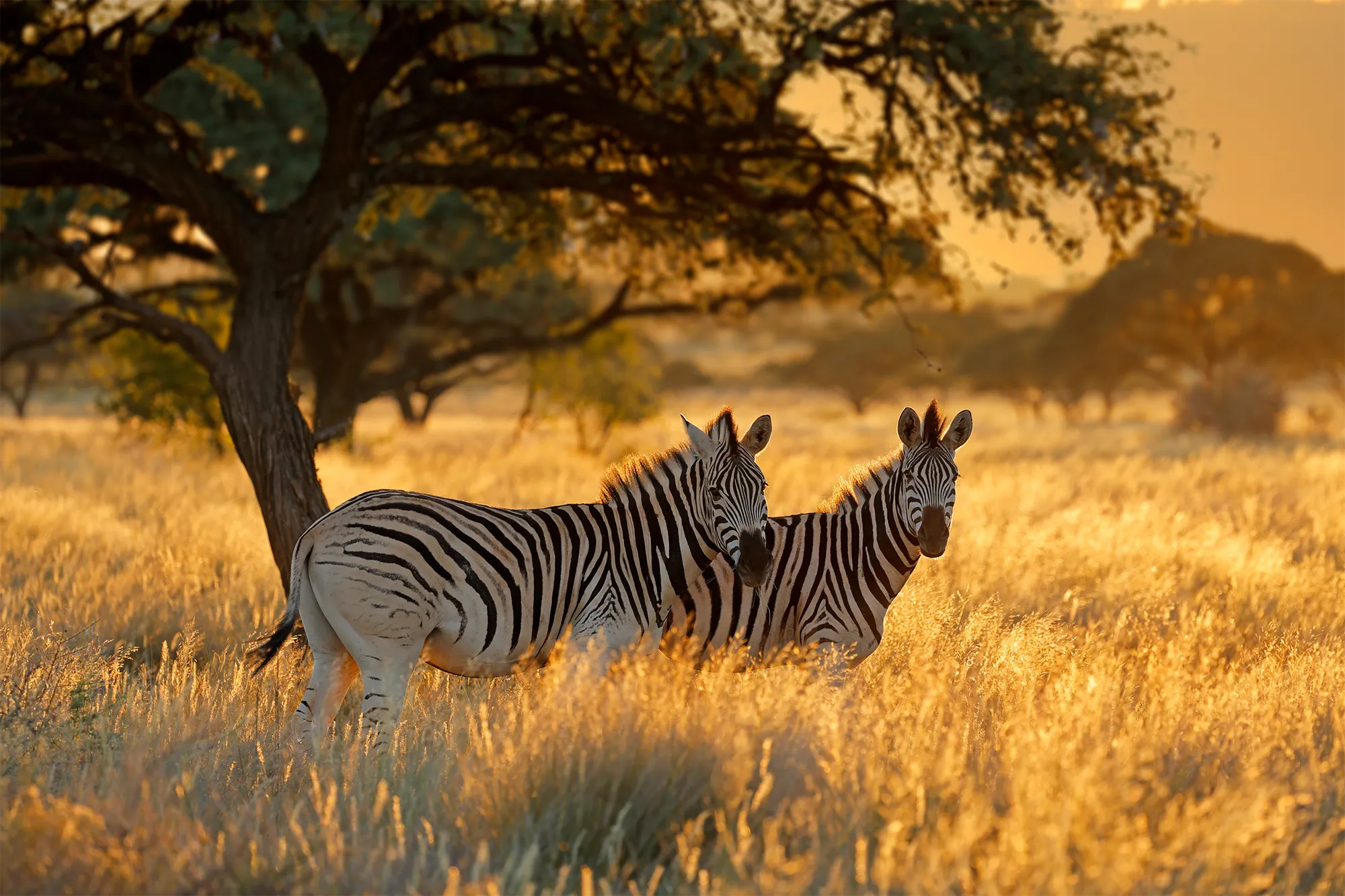
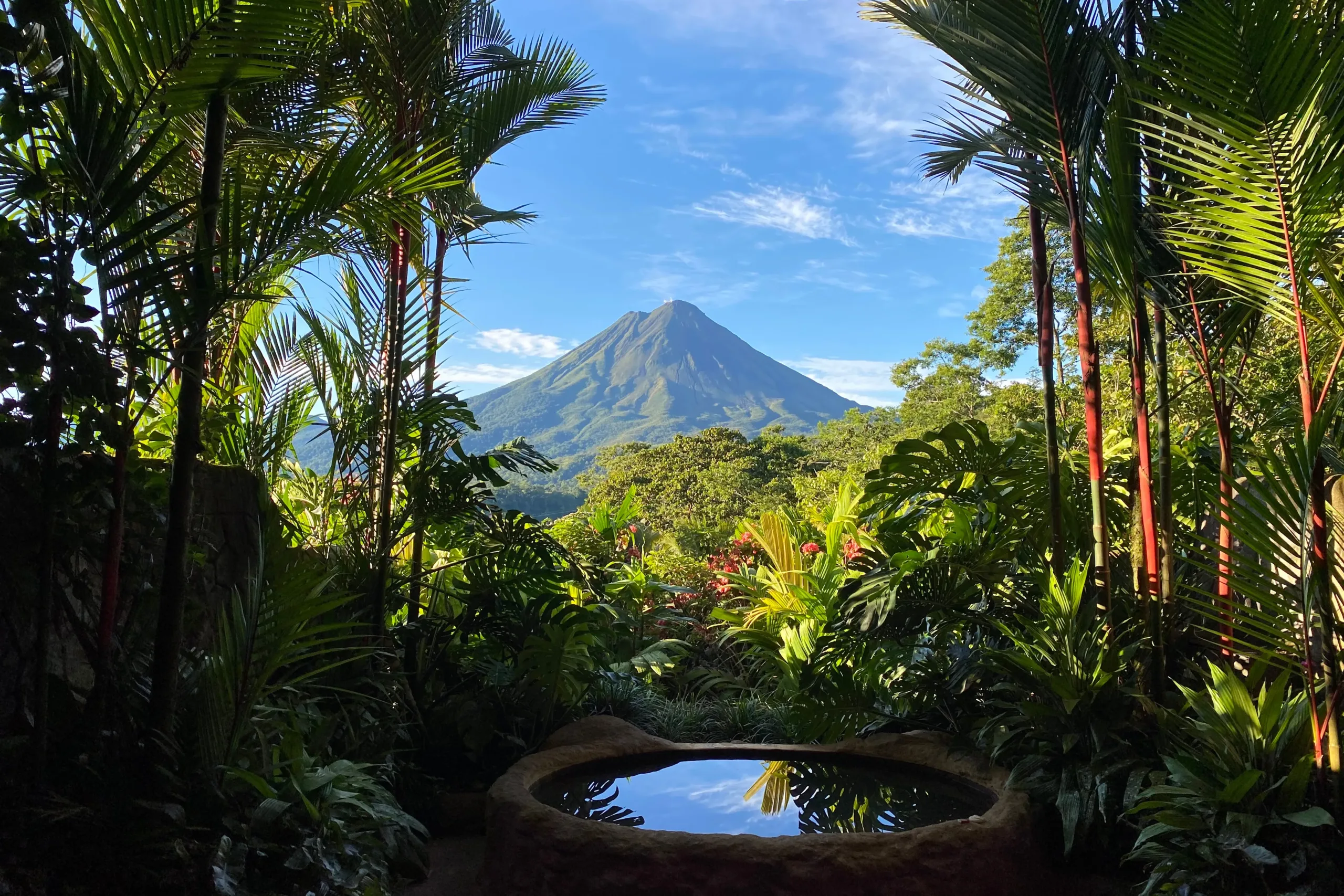
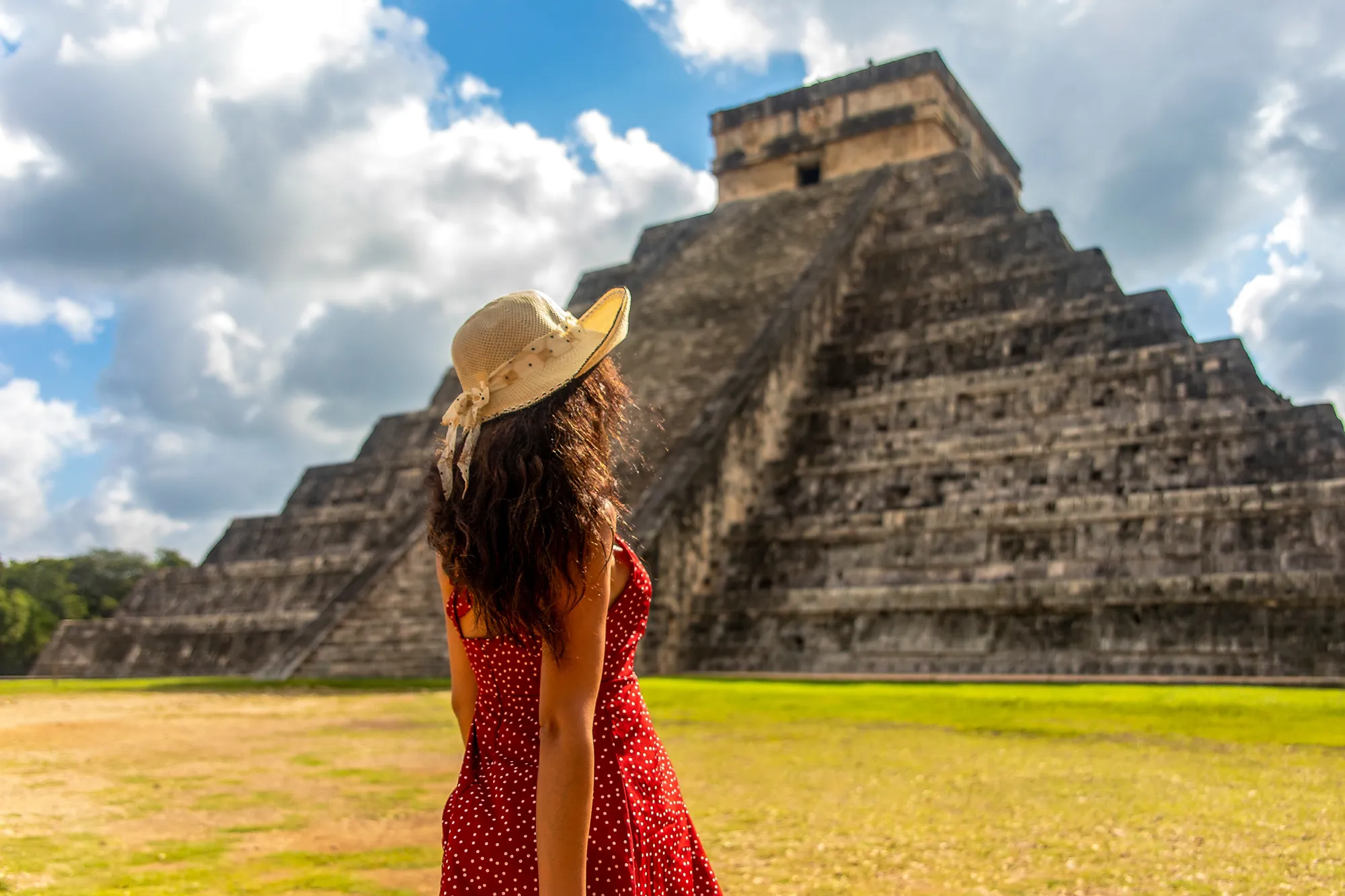
Central Asia boasts vast landscapes, historic towns, and a fascinating cultural heritage. Popular cities to visit include Almaty in Kazakhstan, Tashkent and Samarkand in Uzbekistan, Bishkek in Kyrgyzstan, Dushanbe in Tajikistan, and Ashgabat in Turkmenistan. Adventurers are captivated by its stunning mountain ranges, expansive deserts, and serene lakes, offering awe-inspiring views at every corner. The area’s breathtaking beauty presents countless chances for exploration, whether it’s trekking through the majestic Tien Shan and Pamir mountains or embarking on camel journeys across the vast Kyzylkum and Karakum deserts. Every corner of Central Asia is rich in history and culture. Explore the enchanting cities along the historic route, where Islamic architecture, detailed mosaics, and vibrant markets have thrived for centuries. Travellers can discover historic madrassas, stunning mosques, and magnificent mausoleums that tell the story of the area’s rich past and its ancient civilisations. Central Asia is also known for its distinct wildlife and ecological diversity. The region is home to rare animals like the snow leopard, Bactrian camel, and Saiga antelope. National parks and nature reserves allow visitors to see these species in their natural habitats while admiring pristine landscapes that have been mostly unaffected by human development.
Why Are Vaccines Important for Central Asia?
Central Asia has areas with limited sanitation, varying medical standards, and exposure to mosquito-borne, waterborne, and zoonotic diseases. Vaccines help prevent serious illnesses so you can enjoy your travels safely and confidently. Some countries in the region may also require proof of vaccination for entry or border crossings.
Recommended Travel Vaccines for Central Asia
Here are the key vaccinations recommended for travel to Central Asia, based on health risks common across the region:
Chikungunya Vaccine
While less common in Central Asia than tropical regions, outbreaks of chikungunya – a mosquito-borne viral illness – can occur in warmer seasons. A chikungunya vaccine is recommended for long-term travellers, those visiting during peak mosquito season, or anyone spending extended time outdoors. Book the chikungunya vaccine here.
Cholera Vaccine
Cholera is a bacterial disease spread through contaminated food and water. Risk is higher in areas with poor sanitation or during humanitarian work. An oral cholera vaccine is advised for travellers visiting remote or high-risk areas of Central Asia or engaging in relief work. Book the cholera vaccine here.
Diphtheria
Still present in some parts of Central Asia, diphtheria is a serious respiratory infection. Travellers should ensure they’ve received a diphtheria vaccine booster, often combined with tetanus and polio (Tdap or DTP). Book the diphtheria vaccine here.
Hepatitis A
Hepatitis A is one of the most common travel-related illnesses, especially in areas with poor hygiene and sanitation. The hepatitis A vaccine offers long-term protection and is essential for all travellers to Central Asia. Book the hepatitis A vaccine here.
Hepatitis B
Hepatitis B is transmitted through blood and bodily fluids. Travellers planning long stays, medical work, or close contact with locals should receive the hepatitis B vaccine. It’s often recommended for all travellers to the region. Book the hepatitis B vaccine here.
Japanese Encephalitis
This mosquito-borne virus occurs in parts of Central Asia, particularly in rural or agricultural regions during the rainy season. The Japanese encephalitis vaccine is recommended for extended stays, outdoor travel, or rural visits. Book the Japanese encephalitis vaccine here.
Polio
Although polio has been largely eradicated, vaccine-derived cases can still occur. Travellers should ensure their polio vaccine is up to date, particularly if travelling to Tajikistan or remote areas with lower immunisation rates. Book the polio vaccine here.
Rabies
Rabies is a serious risk in many parts of Central Asia, especially in rural areas where stray dogs and wildlife are common. The rabies vaccine is strongly recommended for travellers planning hiking, cycling, caving, or any contact with animals. Book the rabies vaccine here.
Tetanus
Caused by bacteria found in soil and dust, tetanus can enter through wounds or insect bites. A tetanus booster is recommended every 10 years and is often given with diphtheria and polio vaccines. Book the tetanus vaccine here.
Typhoid
Typhoid fever is spread via contaminated food or water and is a risk throughout Central Asia, particularly in rural or underdeveloped areas. The typhoid vaccine is strongly recommended for all travellers. Book the typhoid vaccine here.
Travel Health Tips for Central Asia
- Visit a travel health clinic 6 – 8 weeks before departure to get personalized advice and vaccines.
- Stay up to date on routine immunisations like MMR and influenza.
- Drink only bottled or purified water and avoid uncooked or undercooked foods.
- Use insect repellent and wear long sleeves to prevent mosquito bites.
- Pack a travel medical kit and carry your vaccination certificate with you.
Protect your journey. Book your travel vaccination appointment today and explore Central Asia with peace of mind.